Home › Finance › Environmental Commitment

Environmental Commitment

SONALEK is committed to responsible mining operations that preserve the environment of Cibitoke Province.

10 environmental commitments

Concrete measures aligned with industrial mining and controlled impact.

1

Existing roads

Priority use of pre-existing roads and tracks to minimize ecosystem impact.

2

Zero burning

Strict delimitation of clearing zones with an absolute ban on burning.

3

Topsoil conservation

Separation and storage of the topsoil (1–5 years) for post-mining rehabilitation.

4

Dust control

Water spraying program to control industrial dust emissions.

5

Waste management

Rigorous management of mining residues, wastewater, and by-products per international standards.

6

Biodiversity

Conservation of microhabitats and continuous monitoring of flora and fauna species.

7

Rapid rehabilitation

Site rehabilitation program within 6 months of exploration activities completion.

8

Anti-erosion

Anti-erosion techniques: plant debris, slope contours, progressive revegetation.

9

Fire management

Prevention and control protocols for fires and invasive weeds.

10

Periodic monitoring

Periodic photographic and biological reports on vegetation and soil condition.

Industrial vs. artisanal mining

Industrial approaches deliver higher recovery with a more controlled footprint.

5×
More efficient than artisanal mining
↑
Higher mineral recovery rate
↓
Less waste and spills
+
Rehabilitation plans integrated from design

Mining zone — Cibitoke Province

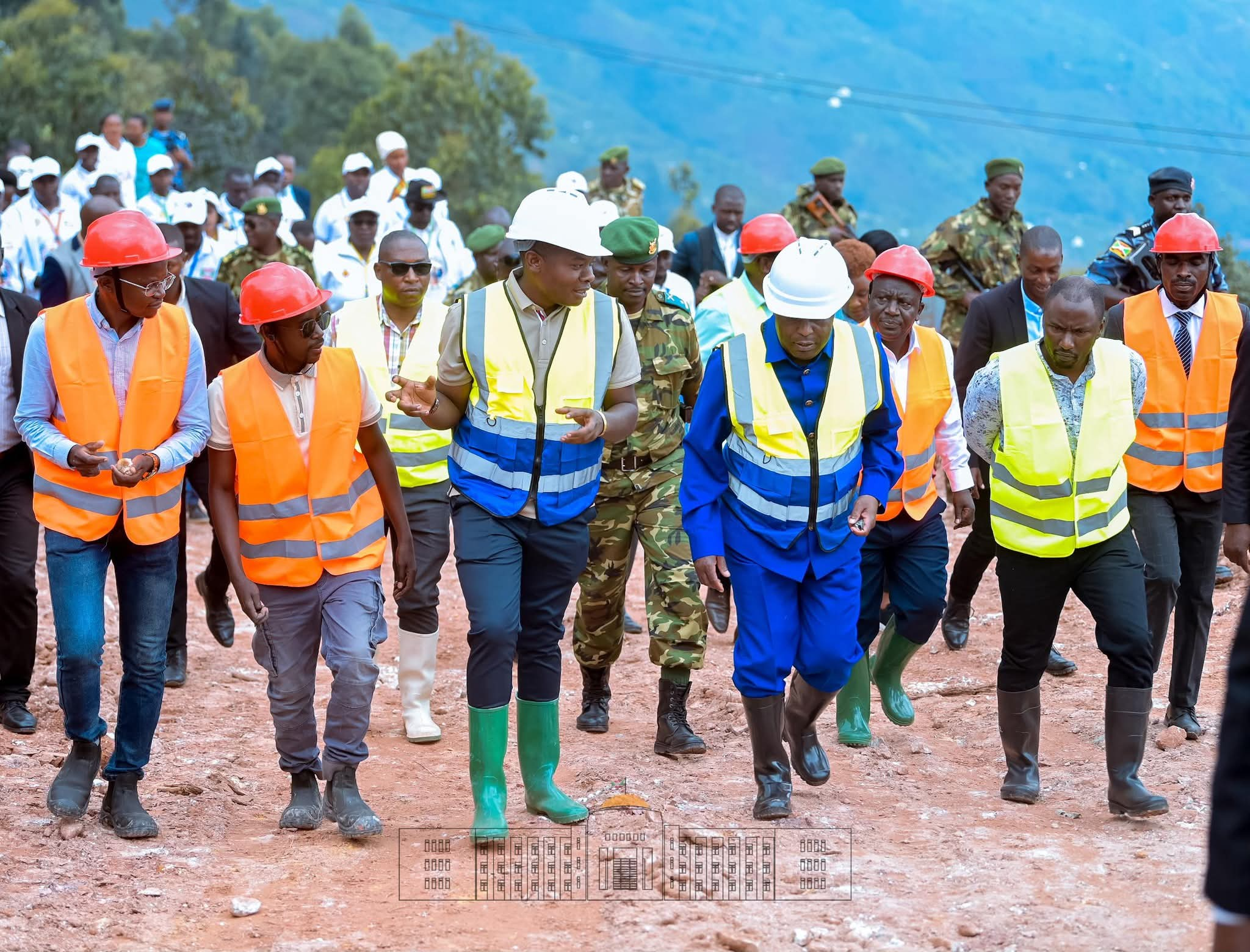
The Kibaya mining perimeter is located in a high-altitude region (1,500–1,600 m) with a diverse forest ecosystem. SONALEK commits to limiting the environmental footprint to the strict minimum necessary for extraction operations.
  • Hills concerned: Kibaya, Bihembe, Nyamyeha, Giserama
  • Total area: 64.7 km²
  • Access: National Road RN10
  • GPS: 2°54'18.6"S 29°23'34.8"E
Environmental stewardship — SONALEK

Biodiversity & Reforestation

SONALEK commits to protecting local ecosystems and returning to nature every hectare mobilised by mining.

Biodiversity Protection

The Kibaya perimeter lies on the Congo-Nile ridge at 1,500–1,600 m altitude, an ecologically rich corridor. SONALEK implements a wildlife and plant safeguard plan throughout the entire mining cycle.

  • Floristic and faunal mapping before any work begins
  • Strictly demarcated buffer zones around sensitive habitats
  • Continuous monitoring of nests, microhabitats and protected species
  • Sloped sumps allowing animals to self-rescue
  • Hunting, trapping and vegetation burning strictly prohibited
  • Bi-annual photographic and biological reports submitted to authorities

Reforestation Programme

Reforestation is not merely a regulatory duty for SONALEK — it is a voluntary commitment. Every mined plot must recover plant density equal to or greater than its original state once operations conclude.

  • Local nurseries — Production of indigenous species suited to the Congo-Nile ridge soil (eucalyptus, grevillea, endemic species).
  • Progressive schedule — Reforestation starts within 6 months of each zone closing, without waiting for the full project to end.
  • Target density — Goal: ≥ 1,200 plants/ha across all rehabilitated zones, with 3-year survival monitoring.
  • Local workforce — Reforestation crews are recruited primarily from neighbouring communities, providing supplementary income.
  • Living soil — Light mulch cover (straw, plant debris) applied immediately after planting to retain moisture and accelerate growth.
  • Monitoring & transparency — Plant survival rates, reforested area, and aerial photos published in the annual sustainability report.
6 months
Max delay for reforestation after zone closure
≥ 1,200
Plants per reforested hectare
3 years
Plant survival monitoring period
100 %
Reforestation workforce from local communities